Shreeja Learning Hub

How Full Stack Development Helps Build a Successful Career in the IT Industry

Discover how Full Stack Development can boost your IT career. Learn about job opportunities, salary potential, required skills, and why Full Stack Developers are in high demand across industries.
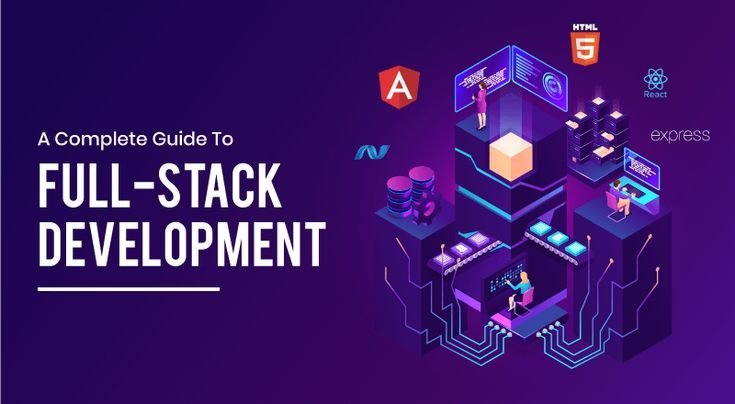
How Full Stack Development Helps Build a Successful Career in the IT Industry

Introduction

The technology industry is evolving rapidly, creating a strong demand for professionals who can handle both front-end and back-end development. This is where

Full Stack Development

has emerged as one of the most valuable and job-oriented skills in the IT sector. Whether you are a student, graduate, or working professional looking to switch careers, a

Full Stack Development Course

can open doors to exciting opportunities in software development and web application design.

In this blog, we will explore how Full Stack Development helps build a successful career, the skills you gain, career opportunities, and why employers highly value full stack developers.

What is Full Stack Development?

Full Stack Development

refers to the process of developing both the front-end (user interface) and back-end (server, database, and application logic) of a website or web application.

Full Stack Developer

is capable of working on:

Front-End Development

Back-End Development

Database Management

API Integration

Server Configuration

Application Deployment

This versatility makes full stack developers highly sought-after in today’s competitive job market.

Why Full Stack Development is Important for Career Growth

1. High Demand Across Industries

Organizations of all sizes require websites and web applications to support their operations. From startups to multinational corporations, businesses are actively hiring skilled full stack developers.

Industries hiring full stack developers include:

Information Technology

E-commerce

Banking and Finance

Healthcare

Education

Digital Marketing

Software Development

Keywords:

Full Stack Developer Jobs, IT Career Opportunities, Software Development Careers

2. Multiple Career Opportunities

A Full Stack Development certification can qualify you for various roles, such as:

Full Stack Developer

Front-End Developer

Back-End Developer

Web Developer

Software Engineer

Application Developer

Technical Consultant

This flexibility allows professionals to explore multiple career paths within the technology sector.

3. Higher Salary Potential

Since full stack developers possess expertise across multiple technologies, employers often offer competitive salary packages.

Professionals with experience in technologies such as React, Angular, Node.js, Python, Java, and cloud platforms are particularly valuable in the job market.

Keywords:

High-Paying IT Jobs, Full Stack Developer Salary, Software Engineer Careers

4. Strong Foundation in Modern Technologies

A comprehensive Full Stack Development Course typically covers:

Front-End Technologies

HTML5

CSS3

JavaScript

React.js

Angular

Back-End Technologies

Node.js

Python

Java

PHP

Databases

MySQL

MongoDB

PostgreSQL

Additional Skills

Git and GitHub

REST APIs

Cloud Computing

DevOps Basics

These skills make candidates industry-ready and capable of handling complete application development projects.

Benefits of Learning Full Stack Development

Better Problem-Solving Skills

Full stack developers understand the entire development lifecycle, enabling them to troubleshoot issues more efficiently and collaborate effectively with teams.

Increased Employability

Companies prefer professionals who can work across multiple technologies, reducing dependency on separate front-end and back-end teams.

Freelancing and Entrepreneurship Opportunities

Full stack developers can independently build websites, web applications, and digital products, making freelancing and startup ventures more accessible.

Continuous Learning and Career Advancement

The field encourages continuous learning and adaptation to emerging technologies, ensuring long-term career growth.

Keywords:

Full Stack Development Training, Web Development Course, IT Skill Development

Full Stack Development vs Traditional Development Roles

Feature

Full Stack Developer

Traditional Developer

Front-End Skills

Yes

Limited

Back-End Skills

Yes

Specialized

Database Knowledge

Yes

Often Limited

Project Ownership

High

Moderate

Career Flexibility

High

Moderate

Job Opportunities

Extensive

Specialized

This broader skill set often makes full stack developers more versatile and valuable to employers.

Who Should Learn Full Stack Development?

Full Stack Development is ideal for:

Students pursuing IT careers

Computer Science graduates

Software professionals seeking career growth

Entrepreneurs building digital products

Freelancers expanding their service offerings

Career changers entering the technology industry

Future Scope of Full Stack Development

As businesses continue digital transformation initiatives, demand for full stack developers is expected to grow significantly. Technologies such as cloud computing, artificial intelligence, progressive web applications, and microservices are creating new opportunities for skilled developers.

Professionals who stay updated with modern frameworks and development practices can enjoy excellent career prospects and long-term job stability.

Conclusion

Full Stack Development is one of the most rewarding career paths in the IT industry. By mastering both front-end and back-end technologies, professionals gain versatility, increased employability, and access to a wide range of job opportunities.

Whether your goal is to become a software engineer, web developer, freelancer, or technology entrepreneur, a

Full Stack Development Course

provides the technical foundation needed to succeed in today’s digital economy.

Investing in Full Stack Development training can be a strategic step toward building a successful, future-ready career.

SEO Keywords

Primary Keywords

Full Stack Development

Full Stack Developer

Full Stack Development Course

Full Stack Developer Career

Web Development Training

Secondary Keywords

Software Development Jobs

IT Career Opportunities

Full Stack Developer Salary

Web Developer Course

Front-End and Back-End Development

Software Engineer Career

Full Stack Certification

Learn Full Stack Development

Job-Oriented IT Courses

Full Stack Programming Training

Tags:

Share:

Prev

Previous

Job-Oriented Courses in 2026: SAP, Data Science, Python, and Web Designing – Which Course is Best for Your Career?
You May Also Like

Job-Oriented Courses in 2026: SAP, Data Science, Python, and Web Designing – Which Course is Best for Your Career?

Which Programming Languages Are Taught in Computer Science_

Jun 4, 2026

Coaching

In today’s competitive job market, choosing the right job-oriented course can significantly improve your career prospects. Whether you are a...

Admissions open

Build your next career move with confidence.

Get personal guidance on the right course, upcoming batches, fees, and placement support.
+91 93709 73352shreejasaplearninghub@gmail.com
Shreeja Learning Hub

Future of Data Science & Analytics: Trends, Opportunities, and Career Growth in 2026 and Beyond

Introduction Data has become the backbone of modern businesses. From customer insights and predictive modeling to artificial intelligence and automation…

Future of Data Science & Analytics: Trends, Opportunities, and Career Growth in 2026 and Beyond

Introduction

Data has become the backbone of modern businesses. From customer insights and predictive modeling to artificial intelligence and automation, organizations rely heavily on data-driven decision-making. As technology continues to evolve, the future of Data Science and Analytics looks brighter than ever.

Whether you’re a student, working professional, or business leader, understanding the future of data science can help you stay ahead in a rapidly changing digital landscape. In this article, we’ll explore emerging trends, career opportunities, required skills, and the impact of AI on the data science industry.

What is Data Science and Analytics?

Data Science is the process of collecting, analyzing, and interpreting large volumes of data to uncover meaningful insights. Analytics focuses on examining data to support business decisions, identify patterns, and improve operational efficiency.

Together, Data Science and Analytics help organizations:

Make informed business decisions

Predict future trends

Improve customer experiences

Optimize operations

Increase profitability

Develop AI-powered solutions

Why Data Science and Analytics Will Continue to Grow

The amount of data generated globally is increasing at an unprecedented rate. Businesses across industries such as healthcare, finance, retail, manufacturing, e-commerce, and telecommunications depend on data to remain competitive.

Key growth drivers include:

1. Explosion of Big Data

Every digital interaction generates data. Social media platforms, mobile applications, IoT devices, and cloud systems continuously produce valuable information that organizations need to analyze.

2. Rise of Artificial Intelligence

AI and Machine Learning technologies rely heavily on data. As companies invest in AI-driven solutions, the demand for data professionals who can manage and analyze data will continue to rise.

3. Digital Transformation

Organizations worldwide are accelerating their digital transformation initiatives. Data analytics plays a critical role in helping businesses streamline processes, improve efficiency, and drive innovation.

4. Data-Driven Decision Making

Modern businesses increasingly rely on data rather than assumptions. This shift creates a growing need for professionals who can transform raw data into actionable insights.

Top Trends Shaping the Future of Data Science & Analytics

1. Generative AI Integration

Generative AI tools are transforming how data scientists work. These tools can automate repetitive tasks such as data cleaning, code generation, and report creation, allowing professionals to focus on strategic problem-solving.

2. Augmented Analytics

Augmented Analytics combines AI, machine learning, and natural language processing to simplify data analysis. This enables non-technical users to gain valuable insights from data more efficiently.

3. Real-Time Analytics

Businesses increasingly require real-time insights to respond quickly to market changes, customer behavior, and operational challenges.

4. Data Engineering Growth

Data Engineers are becoming essential for building scalable data pipelines and infrastructure. As data volumes increase, organizations need robust systems to process and manage information effectively.

5. Cloud-Based Analytics

Cloud platforms are becoming the preferred choice for data storage and analytics. Organizations are leveraging cloud technologies to improve scalability, flexibility, and cost efficiency.

6. Data Governance and Privacy

As data regulations become stricter, companies must prioritize data security, compliance, and ethical use of information.

Future Career Opportunities in Data Science

The future job market offers numerous opportunities for skilled professionals.

Data Analyst

Data Analysts focus on extracting insights from datasets and creating reports that support business decisions.

Data Scientist

Data Scientists develop predictive models, analyze complex datasets, and solve business challenges using advanced statistical techniques.

Data Engineer

Data Engineers design, build, and maintain data infrastructure that supports analytics and machine learning applications.

Machine Learning Engineer

Machine Learning Engineers develop and deploy AI models that power intelligent applications and automation systems.

Business Intelligence Analyst

BI Analysts create dashboards and reports that help organizations monitor performance and make strategic decisions.

Analytics Consultant

Analytics Consultants work with businesses to solve problems using data-driven strategies and insights.

Essential Skills for Future Data Professionals

To succeed in the evolving data landscape, professionals should develop the following skills:

Technical Skills

SQL

Python

Statistics

Machine Learning

Data Visualization

Cloud Computing

Data Engineering

Artificial Intelligence

Business Skills

Critical Thinking

Problem Solving

Communication

Business Analysis

Stakeholder Management

Employers increasingly seek professionals who can combine technical expertise with strong business understanding.

Will AI Replace Data Scientists?

One of the most common questions is whether AI will replace data scientists.

The answer is no—but it will change how they work.

AI can automate routine tasks such as data preparation and basic analysis. However, businesses still need human expertise to:

Define business problems

Interpret results

Build strategies

Ensure ethical AI use

Communicate insights effectively

Professionals who learn to work alongside AI will have a significant competitive advantage.

Challenges in the Future of Data Science

Despite strong growth, the industry faces several challenges:

Increasing competition

Rapid technological changes

Data privacy regulations

Skill gaps

Demand for continuous learning

Professionals must stay updated with emerging technologies and industry trends to remain relevant.

Conclusion

The future of Data Science and Analytics is filled with opportunities. As organizations continue to embrace digital transformation, artificial intelligence, and data-driven decision-making, demand for skilled data professionals will remain strong.

Success in this field will depend on a combination of technical expertise, business knowledge, and the ability to adapt to new technologies. Whether you’re starting your career or looking to upskill, now is an excellent time to invest in Data Science and Analytics.

The professionals who can turn data into actionable business value will be among the most sought-after talent in the digital economy of the future.

Tags:

Share:

Admissions open

Build your next career move with confidence.

Get personal guidance on the right course, upcoming batches, fees, and placement support.

+91 93709 73352shreejasaplearninghub@gmail.com
Shreeja Learning Hub

Job-Oriented Courses in 2026: SAP, Data Science, Python, and Web Designing – Which Course is Best for Your Career?

In today’s competitive job market, choosing the right job-oriented course can significantly improve your career prospects. Whether you are a student, graduate…

Career-readyPractical training · Expert mentors · Placement support

In today’s competitive job market, choosing the right

job-oriented course

can significantly improve your career prospects. Whether you are a student, graduate, working professional, or career changer, courses like

SAP

Data Science

Python Programming

, and

Web Designing

offer excellent opportunities across industries.

This guide explores the most in-demand job-oriented courses in 2026, their career scope, salary potential, and why they continue to attract employers worldwide.

Why Choose Job-Oriented Courses?

Unlike traditional academic programs,

job-oriented courses

focus on practical skills that employers actively seek. These courses help candidates:

Gain industry-relevant skills

Improve employability

Access high-paying career opportunities

Stay competitive in the digital economy

Achieve faster career growth

Keywords:

job-oriented courses, career-focused training, professional certification courses, skill development programs

SAP Course: A Gateway to Enterprise Careers

What is SAP?

SAP (Systems, Applications, and Products in Data Processing)

is one of the world’s leading enterprise resource planning (ERP) solutions. Organizations use SAP software to manage business operations, finance, logistics, human resources, procurement, and supply chain management.

Popular SAP Modules

SAP FICO (Finance and Controlling)

SAP MM (Materials Management)

SAP SD (Sales and Distribution)

SAP HCM (Human Capital Management)

SAP ABAP (Programming)

SAP S/4HANA

Career Opportunities in SAP

Professionals trained in SAP can pursue roles such as:

SAP Consultant

SAP Functional Analyst

SAP Technical Consultant

SAP FICO Specialist

SAP Project Manager

Benefits of Learning SAP

High demand across industries

Attractive salary packages

Global career opportunities

Strong career stability

Keywords:

SAP course, SAP certification, SAP training, SAP consultant jobs, SAP career opportunities

Data Science Course: The Future of Analytics

What is Data Science?

Data Science

combines statistics, programming, machine learning, and business intelligence to extract valuable insights from data. Companies rely on data scientists to make informed decisions and gain a competitive advantage.

Skills Covered in Data Science Training

Data Analysis

Machine Learning

Artificial Intelligence

Data Visualization

Statistics

Python Programming

SQL

Big Data Technologies

Career Opportunities in Data Science

Popular job roles include:

Data Scientist

Data Analyst

Machine Learning Engineer

Business Intelligence Analyst

AI Specialist

Why Data Science is a Top Career Choice

Growing demand across sectors

High-paying technology careers

Opportunities in AI and automation

Strong global job market

Keywords:

Data Science course, Data Scientist training, machine learning certification, AI courses, data analytics jobs

Python Programming Course: The Most In-Demand Coding Skill

Why Learn Python?

Python

is one of the most popular programming languages due to its simplicity, versatility, and extensive applications. It is widely used in software development, automation, web development, artificial intelligence, and data science.

Topics Covered in Python Training

Python Fundamentals

Object-Oriented Programming

Database Integration

Automation Scripts

Web Development

Data Analysis

Machine Learning Applications

Career Opportunities After Python Certification

Python Developer

Software Engineer

Automation Engineer

Data Analyst

AI Developer

Benefits of Learning Python

Beginner-friendly language

Strong industry demand

Excellent salary prospects

Foundation for Data Science and AI

Keywords:

Python course, Python programming training, Python certification, Python developer jobs, learn Python online

Web Designing Course: Build Creative Digital Careers

What is Web Designing?

Web Designing

focuses on creating visually appealing, user-friendly, and responsive websites. As businesses increasingly move online, skilled web designers remain highly sought after.

Skills Learned in Web Designing

HTML5

CSS3

JavaScript

Responsive Design

UI/UX Design

Bootstrap

Website Optimization

Graphic Design Basics

Career Opportunities in Web Designing

Web Designer

UI Designer

UX Designer

Front-End Developer

Freelance Web Designer

Why Choose Web Designing?

Creative and technical career path

Freelancing opportunities

Growing digital business demand

Flexible work options

Keywords:

Web Designing course, web design training, UI UX design course, front-end development, website design certification

Which Course Should You Choose?

Career Goal

Recommended Course

Enterprise Business Solutions

SAP

Artificial Intelligence & Analytics

Data Science

Software Development & Automation

Python

Website Creation & Digital Design

Web Designing

Your choice should depend on your interests, educational background, and long-term career objectives.

Conclusion

The demand for skilled professionals in

SAP, Data Science, Python Programming, and Web Designing

continues to rise in 2026. These job-oriented courses provide practical skills, industry-recognized certifications, and excellent career opportunities across multiple sectors.

Whether you aim to become a

SAP Consultant

Data Scientist

Python Developer

, or

Web Designer

, investing in the right training can accelerate your professional growth and open doors to high-paying jobs.

SEO Keywords

Primary Keywords:

Job-oriented courses

SAP course

Data Science course

Python course

Web Designing course

Secondary Keywords:

SAP certification training

Data Scientist career

Python programming certification

Web design training institute

Professional skill development courses

Best IT courses for jobs

High-demand technology courses

Career-oriented certification programs

IT training and placement

Digital skills training

Admissions open

Build your next career move with confidence.

Get personal guidance on the right course, upcoming batches, fees, and placement support.

+91 93709 73352shreejasaplearninghub@gmail.com
Shreeja Learning Hub

Complete Career Guidance in SAP

SAP is one of the world’s leading enterprise software platforms, used by many large organizations to manage finance, procurement, sales, manufacturing, HR…

Complete Career Guidance in SAP

SAP is one of the world’s leading enterprise software platforms, used by many large organizations to manage finance, procurement, sales, manufacturing, HR, and supply chains. A career in SAP can offer strong long-term opportunities, especially if you combine technical skills with business knowledge.

1. Understand the SAP Ecosystem

SAP is not a single skill. It consists of many modules and technologies.

Functional Modules

These focus on business processes:

SAP FICO – Finance & Accounting

SAP MM – Procurement & Inventory

SAP SD – Sales & Order Management

SAP PP – Manufacturing

SAP HCM – Human Resources

SAP EWM – Warehousing

Technical Modules

These focus on development and technology:

SAP ABAP – Programming

SAP Basis – Administration

SAP HANA – Database Technology

SAP BTP – Cloud Development

SAP Fiori – Modern SAP UI

2. Choose the Right SAP Module

Your educational background matters.

Background

Recommended SAP Areas

B.Com, M.Com, CA, MBA Finance

FICO

MBA Operations, Supply Chain

MM, SD, PP, EWM

B.Tech, BCA, MCA, IT

ABAP, Basis, BTP, HANA

HR Background

HCM, SuccessFactors

Data Science

BW, HANA, SAC

For example:

Commerce students usually do best in FICO.

Engineers often start with ABAP, BTP, Fiori, or Basis.

MBA Operations graduates often choose MM, SD, or Supply Chain modules.

3. SAP Career Roadmap for Freshers

Stage 1: Learn Fundamentals (1–2 Months)

Understand:

ERP concepts

Business processes

SAP architecture

Basic navigation

Stage 2: Select a Module (1 Week)

Choose one specialization instead of trying to learn everything.

Stage 3: Training (2–4 Months)

Study:

Configuration

Business scenarios

Master data

Reporting

Stage 4: Certification (Optional)

Official SAP certifications can improve credibility but are not mandatory for getting started.

Stage 5: Hands-On Practice

Work on:

Case studies

End-to-end business processes

Mock implementation projects

Stage 6: Job Search

Apply for:

SAP Trainee

SAP Support Consultant

Junior SAP Consultant

SAP Analyst

4. Current High-Demand SAP Areas

As of 2026, organizations are increasingly adopting cloud and next-generation SAP platforms.

Strong demand exists for:

SAP S/4HANA

SAP BTP

SAP Fiori

SAP SuccessFactors

SAP Ariba

SAP Analytics Cloud

If you’re starting today, focusing on S/4HANA-related skills is generally more future-oriented than learning only older SAP ECC concepts.

5. Salary Expectations (India)

Actual salaries vary by company, city, and skill level.

Experience

Typical Range

Fresher

₹3–7 LPA

2–5 Years

₹7–15 LPA

5–10 Years

₹15–30+ LPA

Senior Consultant / Architect

₹30 LPA+

Professionals with strong S/4HANA, BTP, Fiori, or niche functional expertise can command significantly higher compensation.

6. Companies Hiring SAP Professionals

Major employers include:

SAP SE

Accenture

Deloitte

Capgemini

Infosys

Tata Consultancy Services

Wipro

IBM

7. Common Mistakes to Avoid

❌ Learning multiple modules simultaneously

❌ Paying very high fees to unknown training institutes

❌ Focusing only on certification without practical knowledge

❌ Ignoring business process understanding

❌ Expecting very high salaries immediately after training

8. Suggested Paths Based on Your Profile

If You Are a Commerce Graduate

SAP FICO

S/4HANA Finance

Financial Accounting

If You Are an Engineer

ABAP + Fiori

BTP

S/4HANA Technical

If You Are an MBA Operations Graduate

MM

SD

PP

Supply Chain

If You Have HR Experience

SuccessFactors

HCM

Recommended Beginner Strategy (2026)

Learn ERP basics.

Select

one

SAP specialization.

Learn

S/4HANA

concepts.

Build practical project knowledge.

Earn a certification if budget permits.

Target trainee and support consultant roles.

Gain implementation or support experience for 2–3 years.

Move toward senior consultant or architect roles.

If you tell us:

Your education (B.Com, B.Tech, MBA, etc.)

Years of experience (fresher or experienced)

Current city (e.g., Pune)

We can suggest the most suitable SAP module, learning path, certification, and job strategy specifically for your profile.

If you are interested in moving your career to SAP in the IT sector, then Shreeja Learning Hub is proudly offering the best

SAP

Courses in Pune. The popularity of SAP originates from ERP, the software tool that helps companies handle purchasing, sales, customer relationships, production, finance, and inventory management with the least investment.

Tags:

Share:

Admissions open

Build your next career move with confidence.

Get personal guidance on the right course, upcoming batches, fees, and placement support.

+91 93709 73352shreejasaplearninghub@gmail.com